
March 2023

Welcome

Welcome!

Welcome to my website! Here you will find reliable information about Women’s Health, especially about symptoms and treatments for Perimenopause and Menopause, such important phases, but unfortunately, often misdiagnosed by some health professionals. Due to the challenges of our daily lives, we know how difficult it is to prioritise our physical and mental health. Nothing is better than having specialised professional support to help us on this journey. Therefore, I’m offering my support to help you achieve your goals for a healthier and more fulfilled life. Establishing this direct connection with you is an honour, and I hope to help you through the information provided on this website and professional contacts. But, first of all, I’d like to introduce myself and tell you a little more about my story as a doctor, mother and, above all, as a woman. Personal challenges I’m Dr Alba Pereira, and I currently work as a Menopause Specialist and General Practitioner for the NHS (National Health Service) in London, UK. I moved to England 20 years ago, leaving Brazil, where I studied Medicine, Residency as General Surgeon, and started my specialisation in Plastic Surgery. Around this time, I decided to come to London to live with my fiancè. I left my job, my financial independence, my English was very basic, and I was seven months pregnant. The frustration of not understanding the healthcare system associated with the language barrier was enormous. I remember taking my newborn daughter to receive her first vaccination with the GP nurse (General Practitioner), and I couldn’t understand any instructions. The feeling of powerlessness, exclusion, and not belonging to that society was enormous and negatively affected me, as my basic needs were unmet. I wasn’t happy in general. My marriage wasn’t going well, and I had no money or family support to help me with my daughter. So I decided to reorganise my life, and the first step was to improve my communication by improving my English and trying to understand my environment. It wasn’t easy, but it was possible. Today, I work as a General Practioner (GP), a Family Doctor, at Imperial College in Central London. I am passionate about diversity, social inclusion and women’s health and will gladly share information about it.  Regarding new info for this blog, we can start by discussing in general about NHS. I am open to suggestions on medical topics, answering questions about how the NHS works or giving health and wellness tips.  What is NHS? The NHS (National Health Service) is the publicly funded healthcare system in England and one of the four National Health Service systems in the United Kingdom. It is the second largest single-payer healthcare system in the world, after the Brazilian Unified Health System. It’s a complex system that has continuously changed since its inception. These changes are happening at an accelerated pace lately because of the ageing population, the emergence of expensive medicines, Brexit and due to the pandemic caused by Covid-19. All parts of the NHS are being overhauled, making it difficult for employees to understand the new rules. Requiring the patient to understand these steps automatically would be unrealistic for a healthcare professional. Even the native English patient needs to be guided through the system. When a patient requests clarification of doubts or questions about the options offered by the NHS, he is not showing weakness but rather maturity. These clarifications will provide security for making informed decisions. But for that, the patient has to be open to understanding a system different from the model he was used to. This system could be better and is in urgent need of reform. On the other hand, the NHS is a public health system that offers quality care on a non-profit basis to people of all social classes, a system that survives in a capitalist world bombarded by a highly developed pharmaceutical industry. I’m sure that our journey on this website will be enriching, especially for me, an immigrant who went through difficulties in the same way as most readers. Educating yourself about the environment we are living in, including the health system, will open the way to a healthier life with better quality of life in every sense. I look forward to suggestions for the following blog topics and will try to include how the NHS works according to the chosen topic.  Thank you so much for your attention and engagement. Dr Alba Pereira
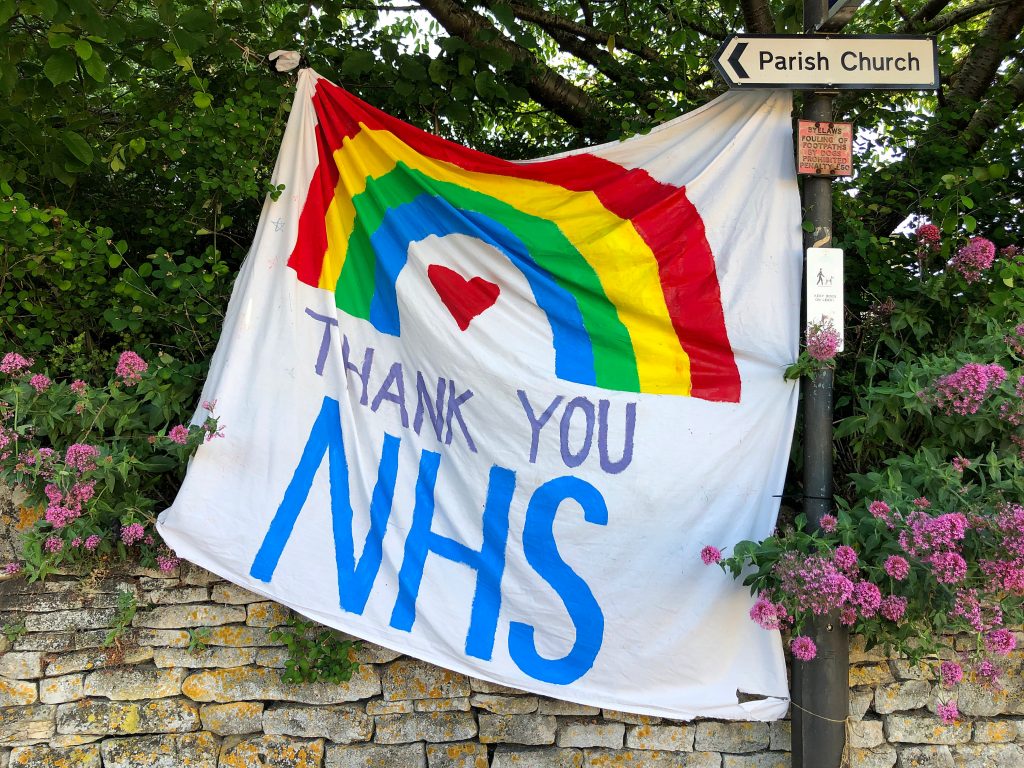
NHS

How to continue your medical treatment in the UK?

If you have recently moved to the UK but are still under medical treatment, it is essential to continue your regular medications, especially if you suffer from chronic illnesses. Once you arrive in the UK, you must register with the NHS (National Health Service). It’s the most effective way to get your routine prescriptions, monitor your illness and keep your medical records up to date in the country. The NHS refers to government-funded health and medical services that everyone in the UK can use without being asked to pay the full-service cost.  These services include: Visiting a doctor or a nurse at a doctor’s office. Get help and treatment at a hospital if you are sick or injured. Consult a midwife if you are pregnant. Get urgent help from healthcare professionals working in ambulance services if you have severe or life-threatening injuries or health problems, including being transported to the hospital.  NHS registration The General Practitioner (GP) will be the first point of contact for almost all NHS patients. If you plan to live in England, register with a local General Practice (GP) clinic when you arrive. The service is free and open to everyone, and you don’t need to have an identity document, proof of address or proof of your immigration status. It is advisable to register at a GP practice close to your home. Google “find a gp nhs.uk”, open the website and fill in the box with your postcode/zip code. The website will list several clinics you can register for (visit or ask your neighbours for recommendations before registering). GPs are specialists in family medicine, preventive care, education in health and treatment of people with chronic and complex illnesses. GPs can write your prescriptions and refer you to other NHS services. Disease monitoring After registering with a GP you will come for your first appointment and inform your GP about your pre-existing conditions. Monitoring your illness will be just as crucial as having previous medications issued. Our body constantly changes, and moving to another climate can worsen some diseases. It’s common in respiratory, allergic and immunological pathologies and requires changing medications (eg asthma, psoriasis). Health professionals in the UK work with protocols. We can be flexible, considering the patient’s best interest, but we cannot prescribe a drug not licensed in this country (e.g. some cancer drugs). In this case, we will offer another medication and monitor the its effectiveness. Furthermore, some diagnoses in the UK automatically trigger other programs designed to prevent complications caused by the disease. For example, all diabetic patients should aim for reasonable blood sugar control and have an annual diabetes review. The frequency of sugar control consultations depends on each case’s severity. But the annual program is for everyone and includes a review of cholesterol, high blood pressure, eye problems and peripheral nerve damage. Medications may change based on the results of these tests.

HPV

How to prevent cervical cancer

Worldwide, an estimated 604,127 women were diagnosed with cervical cancer in 2020, according to data from cancer.net. Cervical cancer incidence rates dropped by more than 50% between the mid-1970s and mid-2000s due, in part, to increased use of tests, which can detect cervical changes before they become cancerous. Cervical cancer can be found in any part of the cervix. Almost all cervical cancers result from an infection caused by certain types of human papillomavirus (HPV). Cervical cancer usually grows very slowly. The severity depends on its size, whether it has spread, and your overall health. Demystifying cervical cancer The preventive exam of the cervix (Pap smear) is one of the best ways to protect against cervical cancer. The test checks the health of the cervix (the opening between the vagina and uterus). The NHS cervical cancer prevention program has reduced the number of deaths from cervical cancer by up to 70% since its introduction more than three decades ago, according to data from Cancer Research UK. Who is eligible for the cervical screening test? Screening is available to women and people with a cervix aged between 25 and 64 in the UK. All eligible patients registered with a family physician will automatically receive an invitation by mail. Transgender men do not receive the automatic invitation if registered with the family doctor as a male, but they are encouraged to take the test. Signs & Symptoms It’s essential to monitor the signs and symptoms your body presents. The cause could be a medical condition other than cancer, so seeking medical attention is necessary if signs and symptoms persist. Any of the following could be symptoms or signs of cervical cancer: The sooner precancerous cells or cervical cancer are found and treated, the better the chance cancer can be prevented or cured. What happens during your consultation? A nurse usually does the Pap smear. The full consultation takes approximately 10 minutes. You will need to undress, in privacy, from the waist down. You will be given a disposable paper to place over yourself during the test. The nurse will ask you to lie on a bed, usually with your knees bent and apart and your feet together. They will gently place a small tube (speculum) into your vagina. A small amount of lubricant can be used. The nurse will open the speculum so they can see your cervix. She will use a soft brush to collect a small sample of cells from your cervix. The speculum will be removed, and you can get dressed. You may have some bleeding afterwards, which is entirely normal. Results For more info, keep reading our blog post: HPV and Cervical Cancer.

Scroll to Top