
July 2023

Endometriosis

What is Endometriosis?

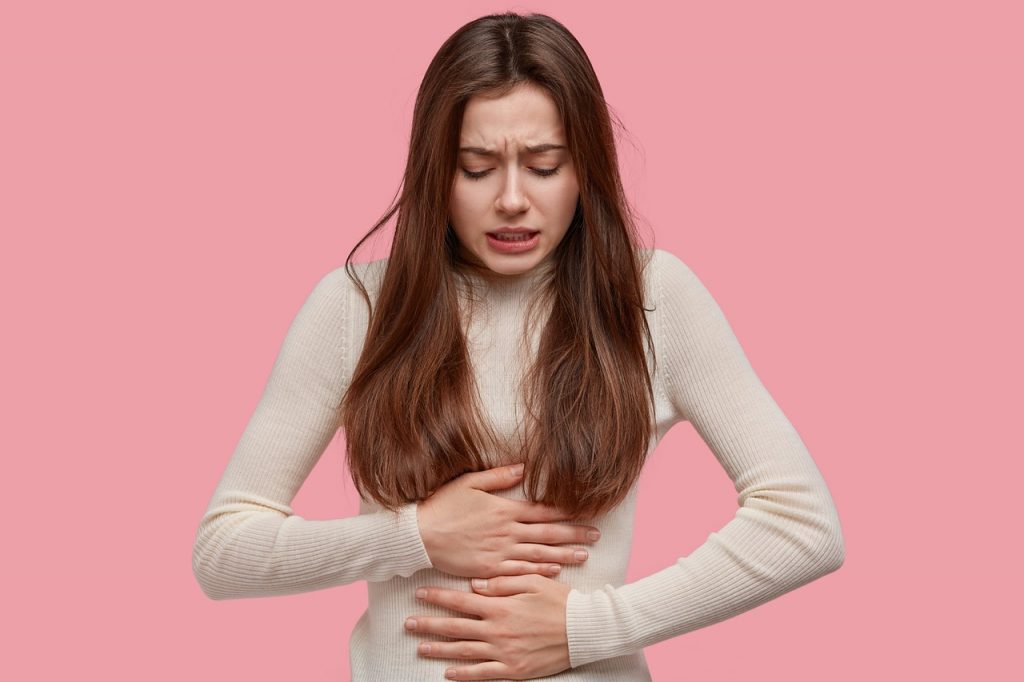
Endometriosis is a condition when endometrial tissues (inner lining of the womb) are found outside the womb. These endometrial tissues can be located in the pelvis, ovaries, fallopian tube, bladder, bowel, vagina and other areas of the body. It is a common disease that affects 1 in 10 women during their reproductive years.  Cause of endometriosis The exact cause of endometriosis is unknown, but it is likely to have a genetic component activated by hormonal factors and the immune system. The disease is rare in African-Caribbean but more common in Asian women which suggest a genetic involvement. Symptoms of endometriosis  During the menstrual cycle, the inner lining of the womb thickens to receive a fertilised egg. If the egg is not fertilised, pregnancy does not happen and the inner lining of the womb breaks down as a period (menstrual blood). The endometrial-like tissue located outside the womb also responds to the hormonal changes during the menstrual cycle and thickens. The blood from the thickened tissue, however, cannot leave the body as a period because it is trapped outside the womb. Endometriosis may not cause any symptoms in some women while other women can be severely affected. The symptoms will be related to the area in the body the endometriosis is located. They are usually associated with pain due to the inflammation and scarring caused by the process. The most common symptoms include: Painful or heavy periods Pain in the lower back and pelvis (usually associated with menstrual cycles) Pain during sexual intercourse Bleeding between periods Fertility problems (damage ovaries or fallopian tubes) Diagnosis of endometriosis Endometriosis can be difficult to diagnosis. This is because the symptoms vary from women to women and they can be similar to other common conditions such as pelvic inflammatory disease. In addition, a definitive diagnosis can only be given by laparoscopy which is an invasive procedure with a small risk of major complications. During laparoscopy, a thin camera is inserted into the tummy to allow the direct visualisation of the uterus, fallopian tubes, ovaries, and other pelvic organs. A pelvic ultrasound scan may be used to check the womb, fallopian tubes, the ovaries and to detect cysts associated with endometriosis. A normal scan, however, does not exclude the diagnosis, especially when the endometriosis is located superficially in the pelvis. Delays of 4 to 10 years can occur between first reporting symptoms and confirming the diagnosis. Treatment of endometriosis  At the moment, there is no cure for endometriosis. The treatments available aim to relief the symptoms, increase the chances of becoming pregnant and improve the quality of life for women living with the condition. The options include: Pain control – pain can be controlled with anti-inflammatory medications like ibuprofen. They work more effectively if taken the day before the expected period giving sometime to decrease the inflammation caused by the endometriosis. In more severe situations, stronger pain killers can be given and a referral to a specialist pain team can be done if pain is not well controlled. Hormonal treatment – hormone may be given to reduce or stop ovulation. This will decrease oestrogen production and shrink the endometriosis. The choice of hormonal treatment depends on whether the patient wishes to become pregnant or not, as some of them are contraceptive while other are not contraceptive. There are four types of hormonal treatments which include: the contraceptive pill, progestogens, antiprogestogens and Gonadotrophin Releasing Hormone. Surgical treatment – surgery can remove areas of endometriosis to improve pain and fertility. The procedure is usually done during the laparoscopy diagnosis. In severe cases, however, the surgeons will discuss the laparoscopy findings with patient before offering a surgical treatment. Although surgery improves pain and fertility of women, the endometriosis can sometimes reoccur.                                                                  Conclusion Endometriosis is a common condition that affects women during their reproductive years. The treatment should be personalised accordingly with the severity of the symptoms and the importance of future fertility. Endometriosis is a complex and variable disease that still challenges modern science. The growing recognition that and early diagnosis can slow down the disease and limit long term consequences offers current support to women. Hopefully, more specific treatment will be developed in the future. N.B. The article contains views based on latest guidance. It should not be used as individual advice which should be obtained from your doctor.


Polycystic Ovary Syndrome, Women's Health

Understanding polycystic ovary syndrome

Polycystic ovary syndrome (PCOS) is the name given to a group of symptoms caused by a hormonal imbalance in the ovaries. This is a very common condition affecting more than 10% of women in their reproductive age. The hormonal variance can cause period problems, fertility issues, weight gain and excess hair growth. What causes PCOS? The exact cause of PCOS is not yet know although it is related to family history, obesity and hormonal imbalance including insulin resistance. Insulin is a hormone that controls sugar levels in the body. If the cells in the body become resistant to the effect of normal levels of insulin, more insulin is then produced to keep the blood sugar normal. This increase in insulin contributes to an increase in production of other hormones like testosterone. In addition, obesity also increases the amount of insulin produced by the body. What are the symptoms of PCOS? The symptoms of PCOS usually become apparent in the late teens or early 20s. They can change over time and can vary from woman to woman. The symptoms are caused by an excess level of insulin and testosterone including: Irregular periods or no periods at all Difficulties getting pregnant due to reduced fertility Excess hair growth on face, stomach and back (hirsutism) Loss or thinning of scalp hair (alopecia) Acne prone skin which may persist beyond the normal teenager years Weight gain and increased risk of type 2 diabetes Emotional problems (anxiety, depression, poor body image) How to diagnose PCOS? The diagnosis of PCOS is made when two out of the following 3 criteria are present: Irregular or infrequent periods – this indicates that ovulation is not happening monthly Symptoms and/or blood tests that show excess testosterone levels. e.g. acne, increase in facial or body hair or blood test with high androgen levels. Ultrasound scan demonstrating polycystic ovaries Blood tests are useful to rule out other hormonal conditions in case of doubt about diagnosis. An ultrasound scan can be used as one of the two criteria to make the diagnosis if multiple cysts is observed in the ovaries. However, it is possible to have PCOS without multiple cysts in the ovaries. What are the treatments for PCOS? Lifestyle changes is the best way to improve PCOC symptoms and to manage long-term health. There is no cure for PCOS but there are a number of medicines available to treat the symptoms caused by the disease. For instance: Irregular periods can be managed with contraceptive pill Fertility can be managed with clomiphene citrate, metformin, letrozole or IVF under a fertility clinic team Acne can be managed with contraceptive pills or Isotretinoin Depression can be managed with counselling support and medication if required. Medication alone has not been shown to be any better than eating well, staying physically active and preventing weight gain.   Long term health issue related to PCOS? PCOS causes an increased risk in developing long-term health problems usually related to insulin resistance and to being overweight rather than to the PCOS itself. Possible long-term problems of polycystic ovary syndrome include: Obesity High blood pressure and cardiovascular disease High cholesterol levels Developing type 2 diabetes Endometrial cancer However, these risks can be reduced with a healthy balanced diet, exercising regularly and weight reduction. To conclude Polycystic ovary syndrome (PCOS) is a name given to a condition which affects the way a woman’s ovaries work. There is an excess of testosterone levels which can contribute to acne prone skin, increase hair growth on face, weight gain and irregular periods.There is no cure for PCOS available at the moment but symptoms can be managed with lifestyle changes. Hormone medication usually helps to correct PCOS symptoms if becoming pregnant is not the focus.

Menstrual Period, Women's Health

Heavy Periods: causes and treatment

Excessive menstrual bleeding, known as heavy periods, is a common symptom amongst females in the UK and worldwide. It can have physical, emotional, social, and financial impact on a woman, but it is not necessarily a sign that anything is wrong. In some cases, no treatment is required, and with the right intervention, a woman can regain their quality of life. How much is a heavy period?  The perception of heavy menstrual bleeding is subjective. Most women knowwhat normal bleeding is for them during their period. They can tell when it changes and become lighter, heavier or irregular. Therefore, it is not usually necessary to measure blood loss. A heavy period is a blood loss of 80ml or more per month. This means that, a period is likely to be considered heavy if: You need to change your sanitary pad or tampon every 1 to 2 hours. You need to use 2 types of sanitary product together (e.g.both a tampons and a sanitary pad at the same time). You pass blood clots. You bleed through to your clothes or bedding. Your period lasts for more than seven days. You feel tired and drained just after your period. You avoid physical activities or take time off work because of your periods  What causes heavy periods? The majority of reasons why someone may suffer from heavy menstrual bleeding are due to dysfunctional uterine bleeding. The womb, ovaries and blood tests are at a normal value. Heavy periods are more common when a woman has recently started her periods or if she is approaching menopause. Other less common causes includes:  Conditions that affect the uterus, ovaries, or hormones, such as fibroids (benign growth of the womb), endometriosis (growth of endometrial tissue in sites other than uterine cavity), polycystic ovary syndrome (cyst in the ovaries causing hormonal changes), hypothyroidism and pelvic inflammation.  Some medications such as chemotherapy, anti-clotting medication, and a copper coil (non-hormonal intrauterine device (IUD)). How to investigate heavy periods? The initial investigation will be done using blood tests to check for conditions such as anaemia (low iron), thyroid problems, and clotting dysfunction. An ultrasound scan may be requested to look for any structural cause of the symptoms. This can detect fibroids, polyps, ovarian cysts, and other changes in the uterine linin.  An endometrial biopsy can be done if the ultrasound scan shows that the lining of the womb is thicker than normal. This is done by inserting a thin tube into the vagina to obtain the sample.  A hysteroscopy can be performed to look inside the womb with a camera. This procedure involves passing a narrow telescope via the vagina. An endometrial biopsy (a small sample) can also be taken during this procedure. What are the treatment options for heavy periods?  The treatment will be case specific and will depend on the cause of the bleeding. The aim of any treatment will be to reduce the amount of blood loss. Treatment options that may be considered are oral during the periods, continuously during the month and the hormonal intrauterine device(IUD). For instance, Tranexamic acid and anti-inflammatory tablets can be used during the period to decrease bleeding. The combined contraceptive pills and the progesterone only contraceptive pills are examples of medication to take regularly during the month. The Mirena Coil is a hormonal device used intrauterine and it is the most effective treatment for heavy bleeding, reducing blood loss up to 70-100% by 12 months.  A surgical procedure may be advised depending on whether a cause for the bleeding has been found. For example, a surgical removal of a large symptomatic fibroid may resolve the problem. A hysterectomy (removal of the uterus) is generally one of the last options. This is 100% effective in stopping excessive bleeding, however, this is a large surgical procedure, and the risks and benefits must be weighted. To conclude Heavy bleeding is one of the most common reasons that a woman consults her doctor for advice in the UK. It usually presents as losing a lot of blood during a woman’s period or a period lasting for longer than 7 days. This can be natural for that particular woman or caused by womb abnormality or a hormone imbalance. The treatment includes medications to decrease bleeding or surgical procedure.   Speak to your doctor if you have symptoms of heavy periods.  

Scroll to Top